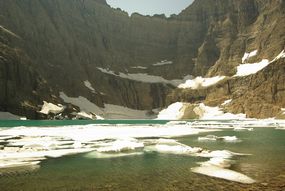
Nestled deep within the breathtaking landscape of Glacier National Park (GNP) lies a true natural wonder: Iceberg Lake. A trek to this iconic destination promises an unforgettable experience, combining stunning glacial formations, abundant wildlife, and panoramic mountain vistas. The Iceberg Lake in Glacier National Park hike is not just a walk; it's an immersive journey into the heart of one of America's most cherished wilderness areas. Prepare to be mesmerized by a lake where icebergs float well into summer, framed by towering, snow-dusted peaks that tell tales of ancient ice ages.
Embarking on the Iceberg Lake Trail: Your Journey Begins
The adventure to Iceberg Lake typically kicks off from behind the cabins near the Swiftcurrent Motor Inn in the picturesque Many Glacier area. This location serves as the gateway to one of GNP's most celebrated trails. While a small parking lot, accommodating around 12-15 vehicles, exists right next to the trailhead, its popularity often means it fills up rapidly, especially during peak season. Don't despair if it's full; ample overflow parking is available in front of the Swiftcurrent Motor Inn, though this will add a modest two-tenths of a mile to your initial walk to the trailhead. Planning to arrive early is always a wise strategy to secure a closer spot and beat some of the crowds. For more detailed insights on navigating parking and other crucial preparations, consider reading our comprehensive guide on Iceberg Lake Trail: Parking, Bear Safety, and Views in Glacier.
Just a few steps past the official Iceberg Lake Trailhead, hikers will encounter an immediate junction. A crucial right turn here leads you onto a short, yet fairly steep, connector trail that links directly to the main Ptarmigan Trail. This initial segment is a bit of a leg-burner, gaining approximately 185 feet in elevation over just one-quarter of a mile. However, once you transition onto the Ptarmigan Trail, the grade significantly moderates, making for a much more comfortable and gradual ascent. At the Ptarmigan Trail junction, remember to turn left; a right turn would mistakenly guide you down towards the historic Many Glacier Hotel.
A Panoramic Journey: Vistas and Wildlife Encounters
As you gain elevation on the upper reaches of the connector and the early sections of the Ptarmigan Trail, prepare for truly commanding views that unfold before your eyes. To the southwest, the majestic forms of 8851-foot Mount Grinnell and 8436-foot Swiftcurrent Mountain dominate the horizon. Further west, the imposing 9321-foot Mount Wilbur stands as a silent guardian, while the rugged Ptarmigan Wall stretches out to the northwest, guiding your path. The ever-changing scenery transitions from open, expansive vistas to sections that meander through more sheltered, dense pine forests, roughly 1.5 miles from the trailhead.
The Many Glacier area, particularly along the Ptarmigan Trail corridor, is renowned for being prime habitat for wildlife, especially bears. The first mile or so past the connector trail is a well-known haunt for grizzly bears, making vigilance and noise-making absolutely essential. Many hikers report spotting these magnificent creatures along the hillsides, a testament to the wild nature of this park. Beyond bears, keep your eyes peeled for other iconic species. On a recent visit, a cow moose and her calf were observed gracefully feeding in the valley below the trail. Later, they casually strolled up the very path hikers were on, requiring a quick, respectful scramble up the hillside to allow them safe passage. Always be prepared, carry bear spray, and know how to use it. For more in-depth advice on safety in bear country, consult our guide on Iceberg Lake Trail: Parking, Bear Safety, and Views in Glacier.
Ptarmigan Falls and Beyond
Roughly 2.5 miles into your hike, you'll reach a small clearing that offers a glimpse of the beautiful Ptarmigan Falls. Unfortunately, due to the steep, unforgiving terrain and the dense tree cover, this clearing typically provides the best, and often only, full view of the waterfall from top to bottom. Despite the partial obstruction, it's a lovely spot to pause and appreciate the rushing water. Just above the falls, an open, rocky area has become a popular and well-deserved spot for hikers to take a quick snack break or an extended rest. It's the perfect place to refuel and take in the surrounding natural beauty before continuing your journey.
Shortly after passing the falls, the trail leads you across a charming footbridge spanning Ptarmigan Creek. Approximately a tenth of a mile further, you'll arrive at another crucial junction: the Iceberg Lake Trail junction. Pay close attention here. The Ptarmigan Trail continues straight ahead and to the right, leading hikers towards Ptarmigan Lake. For your destination, Iceberg Lake in Glacier National Park, you'll turn left, signaling you're just a short distance from the incredible glacial cirque.
Iceberg Lake Itself: A Glacial Masterpiece
The culmination of your efforts is truly spectacular. Iceberg Lake is a breathtaking glacial cirque lake, nestled dramatically in a high basin. Its surface is often dotted with icebergs that linger well into midsummer, fed by the continuous melt of the surrounding glaciers and snowfields. The lake is cradled by towering, snow-dusted walls, with the impressive Mount Wilbur serving as a magnificent backdrop, its peak reaching over 9,300 feet. This isn't just a beautiful lake; it's a geological marvel, carved by the immense power of Pleistocene ice. The surrounding peaks, composed of ancient Belt Supergroup rocks, rise more than 3,000 feet directly above the tranquil waters, creating an amphitheater of rock and ice that feels almost otherworldly.
For photographers, the lake offers dramatic opportunities. The morning light on the west-facing cirque can be particularly striking, illuminating the water and surrounding peaks with a soft, ethereal glow. Conversely, late afternoon light can cast long shadows and highlight the rugged textures of the mountain walls, creating equally captivating scenes. Whether you capture it with a camera or simply with your eyes, the profound beauty of Iceberg Lake is guaranteed to leave a lasting impression.
Hike Difficulty & Best Time to Visit
The hike to Iceberg Lake is undoubtedly one of Glacier National Park's most popular trails, and for good reason. Despite its immense appeal, be prepared for crowds, especially during the peak summer months of July and August. The trail’s popularity is also a testament to its accessibility. While it covers a round-trip distance of 9.6 miles with an elevation gain of 1200 feet to the lake, the trail maintains a relatively gradual incline for the majority of its length. There are a few steeper sections, but hikers in reasonably fair shape should find the journey rewarding rather than overly strenuous.
The optimal window for hiking to Iceberg Lake in Glacier National Park typically runs from mid-June through October. However, it's important to note that park roads and facilities in the Many Glacier area are usually fully open by mid-July. Visiting earlier in the season might mean encountering more persistent snow patches on the trail and larger, more numerous icebergs on the lake, while a late-season hike offers fewer crowds and potentially vibrant autumn colors. For comprehensive planning and detailed preparation tips, be sure to consult Hiking Iceberg Lake in Glacier National Park: A Complete Guide.
The Iceberg Lake hike is more than just a destination; it's an experience that encapsulates the raw, untamed beauty of Glacier National Park. From the initial climb through changing landscapes and the thrilling chance of spotting iconic wildlife, to the awe-inspiring sight of icebergs floating in a glacial cirque, every step is a discovery. This moderately challenging yet profoundly rewarding trek offers a unique opportunity to connect with the grandeur of nature, making the journey to Iceberg Lake in Glacier National Park an essential item on any adventurer's bucket list.
